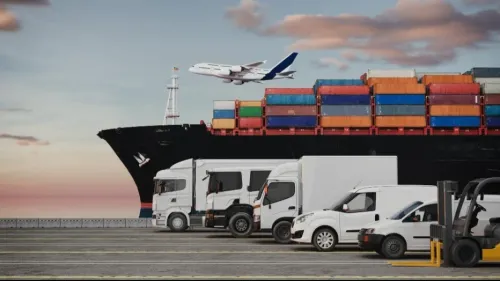


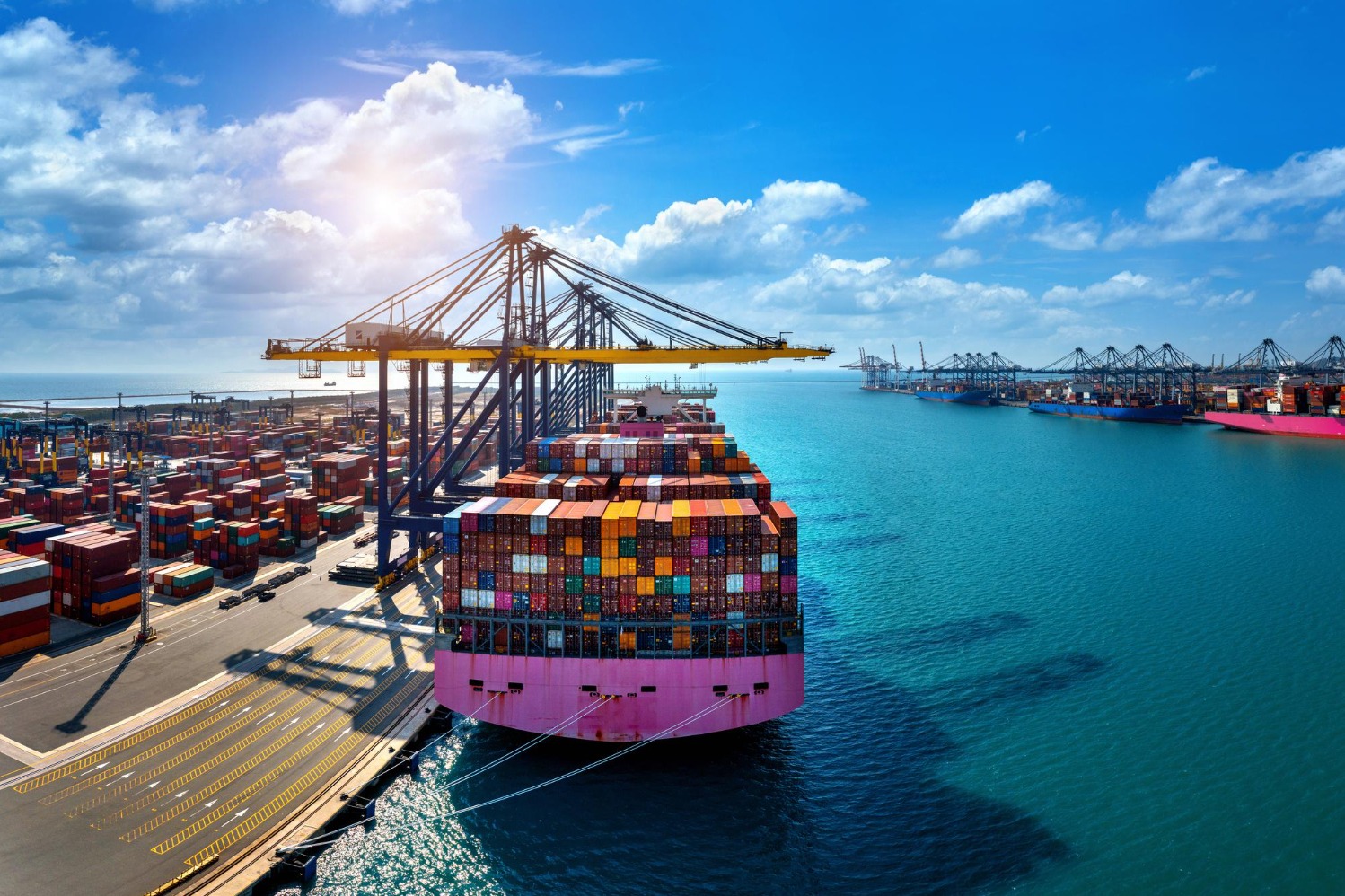
Marine transportation is a major part of international trade, but arranging ocean movement involves much more than booking space on a vessel. Cargo preparation, inland movement, port coordination, documentation and shipment schedules all influence the outcome. Choosing suitable Marine Logistics support therefore requires businesses to evaluate operational capabilities rather than relying only on freight quotations.
For exporters and importers in Vadodara, the logistics provider often becomes the coordination point between the business in Gujarat and several parties involved in the maritime movement.
Look for Experience With Your Cargo Category
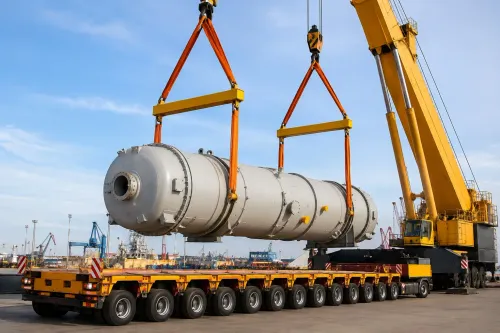
A provider familiar with standard containerized goods may not necessarily have the same experience with oversized machinery, heavy industrial equipment or break bulk shipments.
Businesses should explain the cargo clearly and determine whether the provider can plan around its specific characteristics.
Useful information includes dimensions, weight, packaging, loading method, destination and expected shipment frequency.
Evaluate End-to-End Coordination
Marine freight represents only one section of the journey.
Ask how inland pickup, port movement, handling and related transportation activities will be coordinated. Having visibility across these stages can reduce communication gaps between multiple parties.
Seven Seas Services provides logistics coordination for businesses handling commercial and industrial cargo movements. Vadodara companies evaluating a provider can benefit from discussing the entire cargo journey rather than requesting only an ocean freight rate.
Check Communication and Shipment Visibility
International shipments can involve changing schedules and multiple milestones.
Businesses should understand what shipment information will be available and how operational updates are communicated.
Clear communication becomes particularly important when production schedules, customer commitments or subsequent transportation depend on the expected cargo movement.
Assess Specialized Cargo Capability
If the business regularly ships machinery, heavy equipment or oversized components, provider selection should include questions about specialized cargo planning.
Determine how dimensions and weights are assessed, how handling requirements are identified and whether route considerations are reviewed before dispatch.
A provider should obtain technical cargo information before recommending a transportation arrangement.
Compare Value Rather Than Price Alone
Price remains an important consideration, but a marine logistics decision should include reliability, coordination and suitability for the cargo.
Unexpected handling, storage or delays can reduce the value of an initially inexpensive freight option.
Businesses should compare quotations using the same shipment specifications and clarify what each arrangement includes.
For Vadodara's exporters, manufacturers and importers, selecting marine logistics support is ultimately about creating continuity between inland operations and international shipping.
A provider that understands the cargo, communicates clearly and coordinates the different movement stages can help businesses manage maritime shipments with better visibility and fewer avoidable operational gaps.