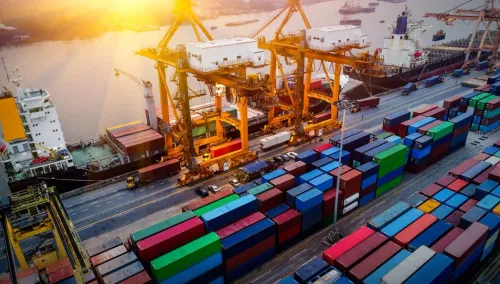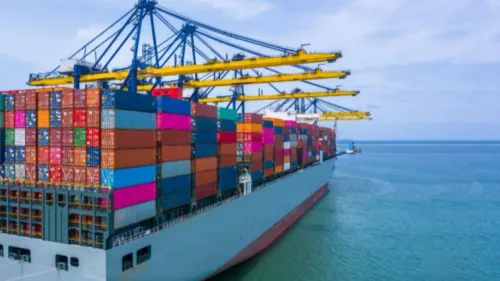


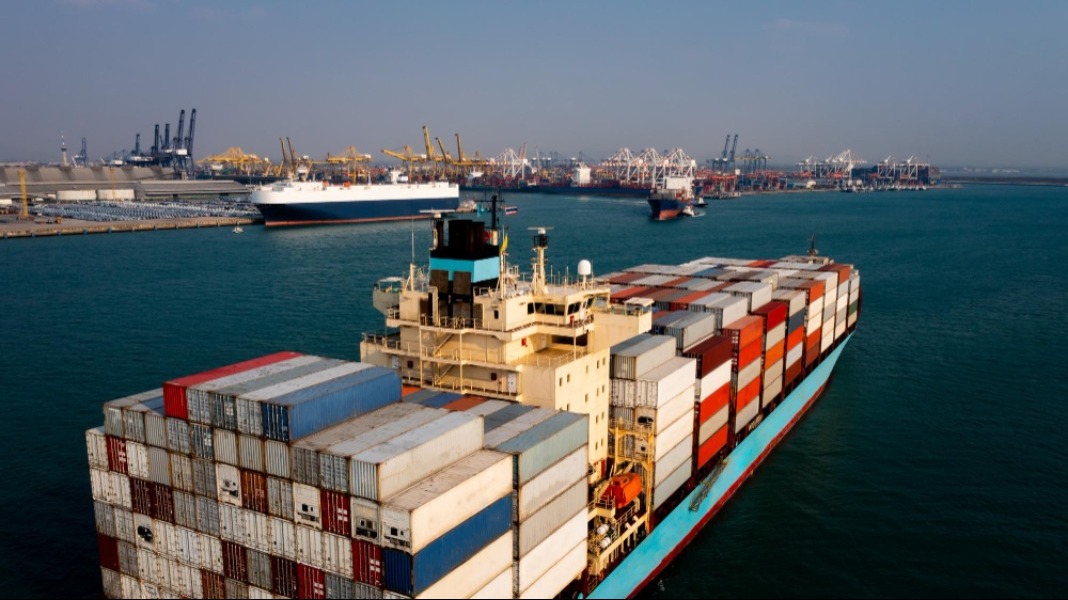
Large-scale industrial projects often involve transporting oversized machinery, bulk commodities, heavy equipment, or specialized cargo that cannot be accommodated through regular container shipping. In such cases, Vessel Chartering becomes a practical solution, offering businesses greater flexibility and control over international cargo movement.
For manufacturers, EPC contractors, exporters, and industrial businesses in Vadodara, selecting the right vessel chartering partner is a critical decision that can influence project timelines, transportation costs, and cargo safety. Understanding what to evaluate before choosing a logistics provider helps businesses minimize risks and ensure smooth project execution.
When Does a Business Need Vessel Chartering?
Unlike standard freight services, vessel chartering is typically used when cargo requires dedicated shipping capacity.
Businesses commonly choose chartering for:
- Heavy industrial machinery
- Power plant equipment
- Steel structures
- Wind energy components
- Mining equipment
- Oil and gas project cargo
- Large construction materials
- Bulk commodities
If cargo dimensions, weight, or project schedules exceed the capabilities of conventional shipping services, chartering a vessel may be the most efficient option.
Different Types of Vessel Chartering
Understanding the available chartering options helps businesses select the most suitable arrangement.
Voyage Charter
The vessel is hired for transporting cargo on a specific route between designated ports. This option is suitable for one-time shipments.
Time Charter
A vessel is hired for a specified period, allowing greater flexibility for businesses managing multiple shipments within a project timeline.
Bareboat Charter
The charterer leases the vessel without crew or operational management. This option is generally used by organizations with maritime operational expertise.
Choosing the appropriate charter depends on cargo requirements, shipment frequency, and project objectives.
Factors to Consider Before Selecting a Provider
Every logistics company offers different capabilities. Businesses should evaluate more than pricing when comparing service providers.
Important considerations include:
Industry Experience
Experience in handling industrial cargo demonstrates the provider's ability to manage complex logistics challenges.
Global Shipping Network
An established international network helps ensure access to major ports, shipping routes, and reliable operational support.
Cargo Handling Expertise
Oversized and high-value cargo requires specialized loading, securing, and unloading procedures.
Documentation Support
International shipping involves multiple regulatory requirements. Providers should assist with shipping documentation and customs coordination.
Communication and Tracking
Regular shipment updates allow project teams to monitor progress and respond quickly to unforeseen situations.
Questions Worth Asking
Before finalizing a logistics partner, businesses should ask:
- Have similar cargo projects been handled successfully?
- What vessel options are available?
- How are weather-related delays managed?
- What insurance options are recommended?
- How is cargo monitored during transit?
- What contingency plans are in place for operational disruptions?
These discussions help businesses make informed decisions before transportation begins.
Why Planning Ahead Matters
Vessel availability can vary depending on global trade demand and seasonal shipping conditions.
Early planning provides several advantages:
- Better scheduling options
- Greater route flexibility
- Improved cost management
- Easier permit coordination
- Reduced project delays
Businesses that begin logistics planning during the project design stage often achieve smoother execution.
Evaluating Service Beyond Price
While competitive pricing is important, selecting a logistics provider solely on cost may create long-term operational challenges.
Other important evaluation factors include:
- Reliability
- Safety standards
- Documentation accuracy
- Response time
- Operational transparency
- Technical expertise
A dependable logistics partner contributes to project success through consistent service rather than simply offering the lowest quotation.
Supporting Industrial Businesses in Vadodara
Vadodara continues to support large-scale manufacturing and infrastructure projects that frequently involve transporting heavy industrial equipment to international markets. Reliable vessel chartering services help businesses maintain project schedules while reducing transportation complexity.
Companies such as Seven Seas Services provide coordinated vessel chartering solutions supported by freight planning, documentation management, and logistics expertise. Businesses evaluating international shipping partners can explore sevencesservice.com to better understand how specialized vessel chartering contributes to efficient industrial cargo movement.