

Urgent cargo from Vadodara does not move directly from an inland warehouse to a ship: it needs a coordinated road or rail leg, a suitable Gujarat port, customs clearance, berth operations and vessel loading. By the end, you will know what cargo data to provide, how stevedoring affects the charter decision, and which operational risks to settle before fixing a vessel.
Key takeaways
- Treat Vadodara as the inland origin, then map trucking, port handling and vessel loading.
- Choose the port after checking draft, berth availability, cargo dimensions and inland distance.
- Provide cargo weight, dimensions, lifting points, packaging and equipment requirements before fixing.
- Use voyage charter, time charter or bareboat charter only when its risks fit your shipment.
Where stevedoring sits in the Vadodara-to-vessel chain
Vadodara is an inland origin, not a seaport. The normal movement to the vessel runs through these stages:
- Factory or warehouse pickup in Vadodara by road or rail
- Inland delivery to Kandla, Mundra, Pipavav or Hazira
- Terminal receipt, export or import customs processing and cargo acceptance
- Berth operations, ocean loading and carriage to the destination
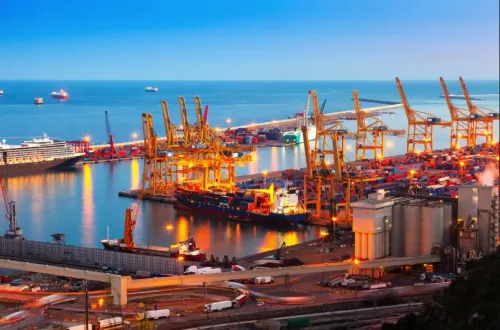
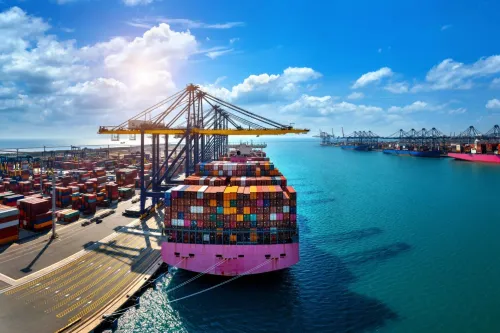
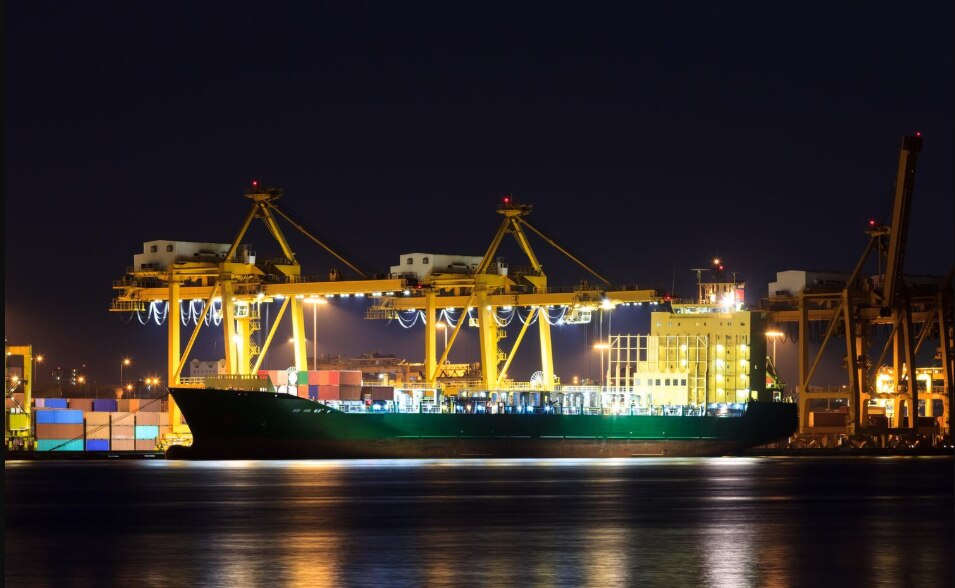
Vessel stevedoring in Vadodara therefore does not happen at the origin. It happens at the selected Gujarat port, where cargo moves between the terminal and the ship.
Stevedoring covers receiving cargo, loading or discharging it, placing it in the hold or on deck, securing it and coordinating ship’s gear with shore cranes, forklifts, slings and other equipment.
The terminal operator and appointed stevedoring contractor plan the berth operation with the vessel’s master, agent and charterer. The contractor supplies labour and agreed machinery. Tally clerks count packages against the cargo documents, record shortages or overages, and note visible damage; the terminal or stevedore then reports those findings before delivery or sailing.
For urgent commercial cargo in Vadodara, this plan belongs inside the charter fixture. Confirm the port, berth window, terminal acceptance, cargo-ready date, loading sequence, handling rate and discharge arrangements before fixing the vessel.
If stevedores or equipment are arranged only after arrival, a ready ship can wait, consume laytime and create demurrage instead of saving time.
How port choice and berth planning control an urgent charter
Fix the cargo-ready date before fixing the ship. The inland plan must move cargo from Vadodara to a nominated Gujarat port early enough for terminal acceptance, customs clearance and berth availability.
- Confirm cargo-ready date, pickup, staging location, package data and inland road or rail capacity.
- Nominate Kandla, Mundra, Pipavav or Hazira against cargo type, terminal acceptance, draft, air-draft and equipment limits.
- Obtain terminal acceptance, book the berth window and file the shipping bill, examination request and export documents.
- Complete examination and sealing, submit manifest data, then nominate the vessel and loading sequence.
- Load, secure and tally cargo, obtain sailing clearance, monitor departure and arrange discharge, inland delivery and final receipt.
Port choice is not a distance contest.
| Port | Strength to verify | Risks to test |
|---|---|---|
| Kandla | Bulk, liquid and breakbulk facilities | Draft, air-draft, crane limits, waiting time |
| Mundra | Container, bulk and project-cargo options | Congestion, hazardous-cargo acceptance, sailing slots |
| Pipavav | Container and selected breakbulk capability | Gear, draft, sailing frequency and terminal window |
| Hazira | Bulk, liquid and industrial cargo handling | Terminal rules, vessel size, air-draft and berth availability |
Ask for confirmed crane capacity, loading rate and hazardous-goods acceptance; a commercially available vessel cannot load uncleared cargo or incomplete manifest data.
The charter party needs a realistic laycan, loading and discharge rates, notice of readiness, laytime, demurrage, despatch, weather exclusions, shifting time and responsibility for port waiting. Those terms matter in vessel chartering in Vadodara and chartered vessel services in Vadodara: a narrow window without terminal confirmation turns urgency into delay.
What cargo and equipment data determine stevedoring feasibility
A stevedoring quote needs more than cargo weight. Give the operator the lifting method, safe working loads (SWL) for ship and shore cranes, deck or tank-top strength, cribbing, lashing and securing plan, inland route restrictions, and loading and discharge rates in tonnes per hour or moves per hour.
Review shore cranes, mobile harbour cranes, ship cranes, grabs, slings, spreader beams, forklifts, ramps and heavy-lift gear before fixing the vessel.
Provide this cargo brief:
- Commodity and form: containerized, breakbulk, bulk or liquid; total tonnage; package count; gross and net weight per package and total
- Length, width, height, centre of gravity, lifting points, lifting attachments and verified gross mass (VGM)
- Cargo-ready date, origin, destination, hazardous classification under the IMDG Code, lifting or rolling requirements, and required laycan
| Cargo answer | Likely vessel | Handling consequence |
|---|---|---|
| Standard containers | Container ship | Terminal cranes and accepted boxes drive the plan |
| Heavy, oversized or mixed packages | Multipurpose vessel | Ship’s cranes, slings and spreader beams reduce shore dependence |
| Loose dry commodity | Bulk carrier | Holds, grabs and bulk loading rates matter |
| Non-containerized packages | General-cargo vessel | Breakbulk gear, cribbing and lashings need a method statement |
| Wheeled cargo | Roll-on/roll-off vessel | Ramps, deck strength and route clearance control feasibility |
A geared vessel carries ship cranes; a gearless vessel depends on berth equipment. TEU capacity says nothing about lifting points, SWL or deck strength, and an unexplained engine rating such as “40” cannot price vessel stevedoring for commercial vessel chartering in Vadodara or urgent commercial cargo in Vadodara.
Which charter structure matches the shipment and its operational risk
A whole-vessel charter is better when your cargo is too large, heavy, irregular, urgent or equipment-sensitive for available container sailings. It gives you control over the loading sequence and port plan, but also exposes you to vessel, berth and delay costs.
| Structure | Cost and control | Best fit |
|---|---|---|
| Voyage charter | Freight covers one cargo, route and voyage; owner operates the vessel | One urgent movement with a defined Gujarat port and laycan |
| Time charter | You pay for vessel use over a period and take more operating-cost exposure and control | Repeated voyages or changing cargo and port requirements |
| Bareboat charter | You take possession and vessel-operation responsibility, including crew and technical management | Long-term operations, rarely one urgent shipment |
| Liner service or NVOCC space | Published sailing, equipment and port terms limit your control | Standardized container cargo when an accepted sailing meets the deadline |
A charter party must assign stevedore damage, cargo securing, heavy-lift gear and labour, IMDG Code classification and segregation, sanctions, war risks, cancellation rights, off-hire and demurrage. State loading and discharge rates, laytime, notice of readiness, weather exclusions, shifting time and port-waiting responsibility; a narrow laycan without terminal capacity creates demurrage, not speed.
An MTO can accept door-to-door responsibility under a multimodal transport document, while the owner, terminal and stevedore retain separate operational liabilities. Incoterms allocate seller-buyer delivery, cost and risk obligations; they do not replace the charter party. Confirm these boundaries before fixing chartered vessel services in Vadodara or vessel chartering in Vadodara.
The pre-fixture checklist for a fast, workable Vadodara movement
Do not fix the vessel until every quotation is tied to cargo, port and responsibility confirmations. Use this checklist for vessel stevedoring for commercial vessel chartering in Vadodara:
1. Confirm cargo readiness, commodity, packages, gross and net weights, dimensions, centre of gravity, lifting points, hazardous status and verified gross mass. State the inland route, pickup date and staging location.
2. Obtain written acceptance from the chosen port and terminal for the cargo, equipment and delivery date. Confirm the berth window, customs status, shipping bill, examination, sealing and manifest data before nomination.
3. Name the vessel’s cranes, safe working loads, shore crane or heavy-lift requirement, slings, spreader beams, forklifts, ramps and securing method. Specify handling method plus loading and discharge rates in tonnes per hour or moves per hour.
4. Define the stevedore’s scope: labour, loading, discharge, hold or deck placement, tally procedure, shortage records, visible-damage reporting, lashing and securing. Confirm who pays for rehandling, shifting, waiting and equipment failure.
5. Book insurance, port-to-site transport and the final delivery appointment. Request a written split for freight, inland transport, port handling, stevedoring, customs, crane or heavy-lift charges, storage, demurrage and every other delay exposure.
For vessel stevedoring in Vadodara, Seven Seas Services can help connect Vadodara pickup, Gujarat-port selection, documents, multimodal transport, cargo insurance, stevedoring instructions and chartering. You still need named equipment, rates, responsibilities and acceptance confirmations before fixing.
Related service
Vessele Chartering Vessel classes can be categorized in terms of their evolution over the past 10 to 15 years. View service → |
Frequently asked questions
Where does stevedoring fit in a Vadodara vessel charter?
Stevedoring covers the physical loading, stowage and discharge of cargo at the seaport. For Vadodara cargo, it connects inland trucking and port receipt with vessel operations.
How do you choose a port for urgent commercial cargo from Vadodara?
Compare inland transport time, berth availability, vessel draft limits, crane capacity, terminal rules, congestion and the cargo’s handling requirements before fixing the vessel.
What cargo information does a stevedore need before confirming feasibility?
Provide the cargo description, number of packages, gross and net weight, dimensions, centre of gravity, lifting points, packaging, dangerous-goods status and required handling equipment.
Which charter structure suits an urgent shipment?
A voyage charter suits a defined cargo and route, while a time charter gives operational control for repeated or uncertain voyages. A bareboat charter transfers vessel operation and management responsibilities to the charterer.