

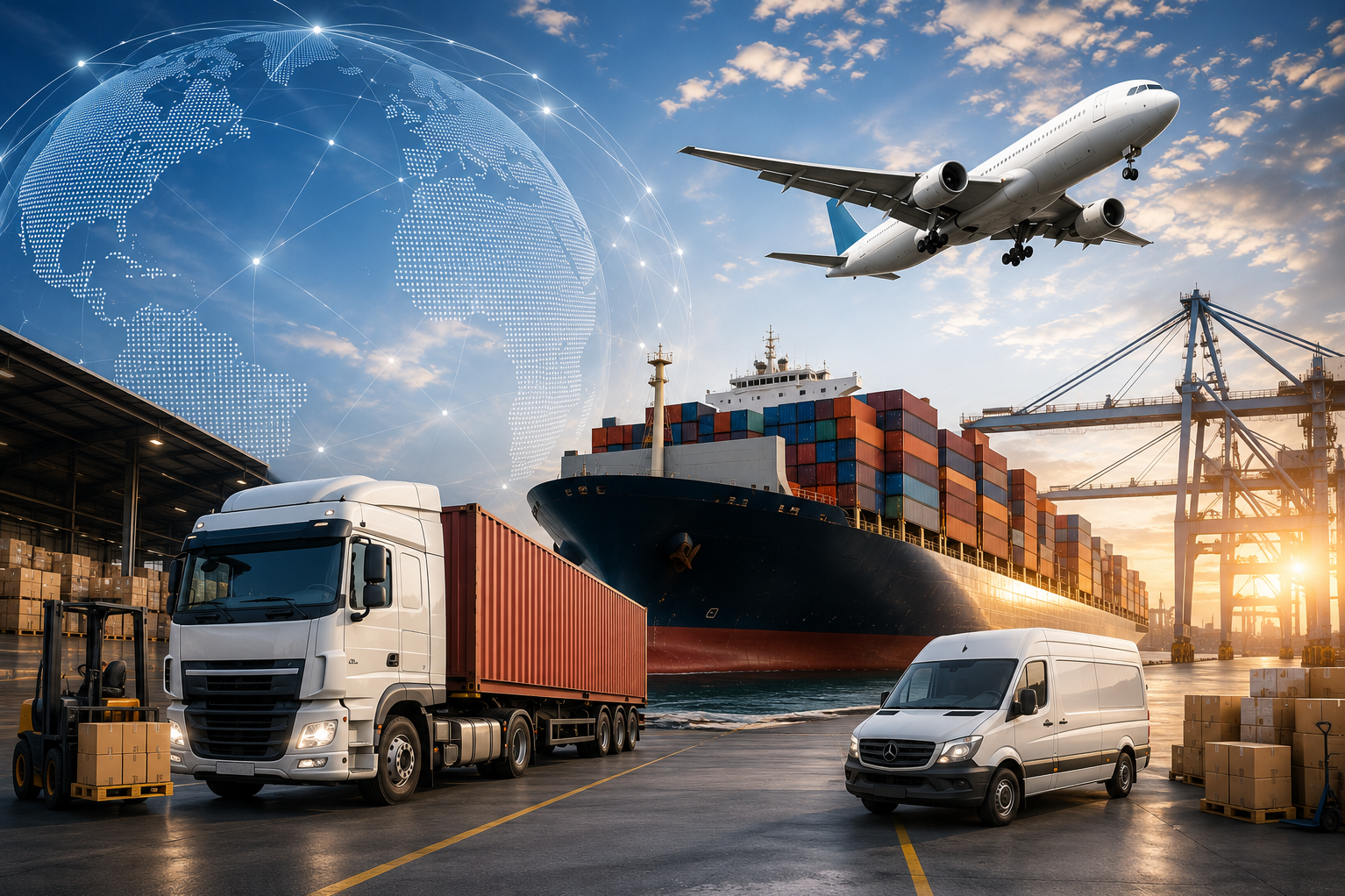
International trade has created new opportunities for businesses of every size, but shipping goods across borders involves much more than booking cargo space. From documentation and customs procedures to transportation planning and delivery coordination, every stage requires expertise to avoid delays and unexpected costs. This is why understanding International Freight Forwarding is essential for manufacturers, exporters, and importers in Vadodara looking to expand their global reach.
Whether a business exports engineering products, chemicals, pharmaceuticals, textiles, or industrial machinery, freight forwarding helps simplify complex logistics while ensuring shipments move efficiently from origin to destination.
What Is International Freight Forwarding?
International freight forwarding is the process of planning, organizing, and managing the transportation of goods between countries. A freight forwarder acts as the logistics coordinator, arranging every stage of the shipment rather than physically transporting the cargo.
Typical responsibilities include:
- Selecting the most suitable transport mode
- Coordinating shipping schedules
- Preparing shipping documentation
- Managing customs procedures
- Tracking cargo movement
- Handling insurance requirements
- Coordinating with shipping lines, airlines, ports, and transport operators
Instead of dealing with multiple service providers individually, businesses work with one logistics partner that manages the complete process.
Why Businesses Depend on Freight Forwarders
International shipping regulations vary from country to country. Even a small documentation error can result in cargo delays, penalties, or additional storage charges.
A professional freight forwarding partner helps businesses by:
- Reducing administrative workload
- Improving shipment visibility
- Minimizing transit delays
- Optimizing transportation costs
- Ensuring compliance with international trade regulations
This allows manufacturers and exporters to focus on production and customer relationships instead of managing logistics challenges.
The Main Stages of International Freight Forwarding
Although every shipment is different, most international cargo follows a structured process.
Shipment Planning
The logistics provider evaluates:
- Cargo dimensions
- Weight
- Destination
- Delivery timeline
- Product category
- Import and export regulations
Proper planning ensures the shipment follows the most efficient route.
Documentation Preparation
International shipping requires several documents, including:
- Commercial Invoice
- Packing List
- Bill of Lading or Air Waybill
- Certificate of Origin
- Export declarations
- Import documentation
Accurate paperwork helps prevent customs-related delays.
Cargo Transportation
Depending on shipment requirements, goods may move through:
- Sea freight
- Air freight
- Rail transport
- Road transport
Many international shipments combine multiple transportation modes for better efficiency.
Customs Clearance
Customs authorities verify documentation, applicable duties, and regulatory compliance before cargo enters or leaves a country.
Well-managed customs coordination significantly reduces clearance time.
Final Delivery
After customs clearance, cargo is transported to warehouses, factories, distributors, or customer locations.
How Freight Forwarding Supports Businesses in Vadodara
Vadodara has become an important industrial hub in Gujarat, with businesses involved in manufacturing, engineering, chemicals, electrical equipment, and pharmaceuticals. These industries frequently depend on international supply chains for raw materials and finished products.
Efficient freight forwarding helps local businesses by:
- Maintaining production schedules
- Supporting export commitments
- Improving inventory planning
- Reducing transportation disruptions
- Managing international supplier coordination
As global trade becomes more competitive, reliable logistics contributes directly to business growth.
Factors That Influence Freight Costs
Several variables determine international shipping expenses.
These include:
- Shipment size
- Cargo weight
- Destination country
- Transportation mode
- Fuel costs
- Customs duties
- Seasonal shipping demand
- Packaging requirements
Understanding these factors helps businesses prepare realistic logistics budgets.
Choosing the Right Transportation Method
Different cargo types require different logistics solutions.
Sea freight is generally preferred for:
- Heavy machinery
- Bulk cargo
- Industrial equipment
- Large-volume exports
Air freight is suitable for:
- Urgent shipments
- High-value goods
- Medical supplies
- Time-sensitive products
A freight forwarding specialist evaluates delivery priorities before recommending the most appropriate shipping option.
Technology Has Improved International Logistics
Modern freight forwarding uses digital tools to improve shipment management.
Businesses now benefit from:
- Real-time shipment tracking
- Digital documentation
- Automated shipment updates
- Better inventory coordination
- Improved delivery planning
Technology enables greater transparency throughout the shipping process.
Common Challenges Businesses Face
International shipments may encounter:
- Port congestion
- Documentation errors
- Customs inspections
- Weather disruptions
- Container shortages
- Regulatory changes
Experienced logistics providers develop contingency plans that help minimize these risks and keep supply chains moving.
Building Long-Term Trade Success
Reliable international logistics is about more than transporting cargo. It supports stronger customer relationships, predictable delivery schedules, and better operational planning.
For businesses in Vadodara expanding into international markets, working with an experienced logistics partner such as Seven Seas Services can simplify cross-border shipping while helping manage documentation, transportation coordination, and compliance. Businesses exploring freight solutions can also review the services available through sevencesservice.com to better understand the logistics support available for international trade.