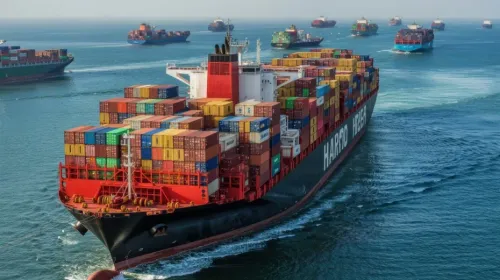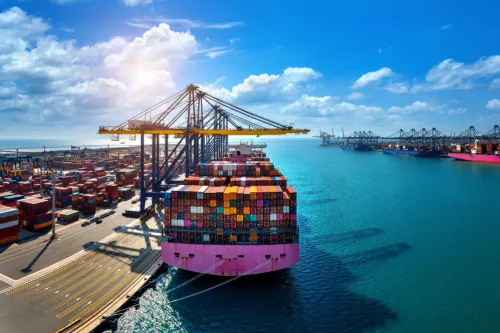


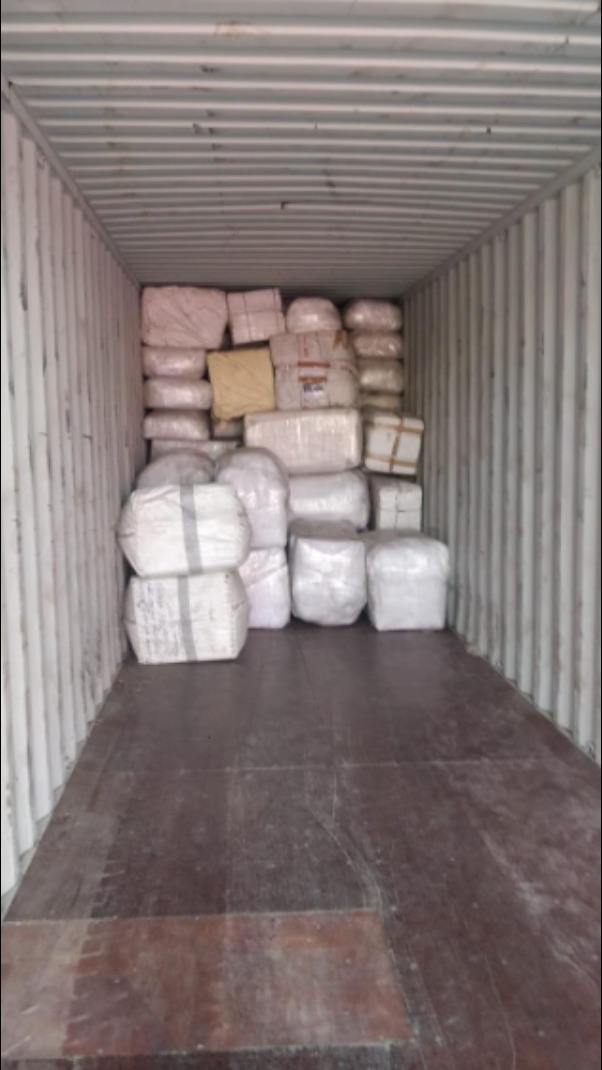
A supply chain connects purchasing, inventory, transportation, warehousing and customer delivery. When one part operates without considering the others, businesses may experience excess stock, material shortages, delayed production or higher logistics costs. Effective Supply Chain Management focuses on coordinating these activities as one connected system.
For manufacturers, distributors and trading businesses in Vadodara, Gujarat, this coordination can be particularly valuable because materials and finished goods may move between local suppliers, industrial facilities, warehouses, ports and customers.
Supply Chain Management Goes Beyond Transportation
Transportation is only one component of a supply chain. A broader supply chain process may include:
- Supplier coordination
- Procurement planning
- Inventory management
- Production requirements
- Warehousing
- Domestic transportation
- Import and export movement
- Order fulfilment
- Delivery planning
- Information sharing between stakeholders
The objective is to ensure materials are available where and when they are required without creating unnecessary inventory or movement.
Where Supply Chain Problems Commonly Begin
Many operational problems result from poor visibility.
A production team may require materials urgently, while the purchasing team has limited information about shipment status. A warehouse may receive more stock than expected without sufficient storage space. Finished goods may remain idle because transportation was arranged too late.
These problems demonstrate why supply chain decisions should not be made independently.
Practical Ways to Improve Coordination
Businesses can begin by mapping the movement of materials from suppliers to final customers. This makes it easier to identify unnecessary handling, waiting periods and communication gaps.
Inventory can then be aligned more closely with actual production and sales requirements.
Transportation planning should also begin before dispatch becomes urgent. Businesses that regularly import raw materials or export finished products can establish shipment schedules and standard documentation procedures.
Seven Seas Services works with businesses requiring coordinated logistics support across different cargo movements. For organizations in Vadodara, integrating transportation and related logistics activities into wider supply chain planning can improve operational visibility.
Measure What Affects Operations
Useful supply chain measurements do not need to be complicated. Businesses can track supplier lead times, inventory levels, transport delays, order fulfilment time and logistics costs.
Repeated problems should be investigated rather than treated as isolated incidents.
For example, frequent emergency transportation may indicate inaccurate inventory planning. Repeated warehouse congestion may point to poor coordination between purchasing and storage.
Vadodara's industrial ecosystem connects businesses with suppliers and customers throughout Gujarat, India and overseas markets. As these networks become more complex, coordinated supply chain management becomes increasingly important.
A well-managed supply chain helps businesses understand where goods are, what is required next and which activities need attention. That visibility can support better planning, more efficient resource use and more dependable movement of goods.