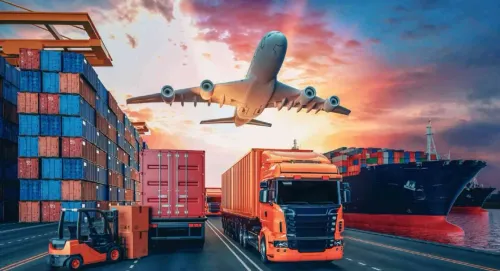


Vessel stevedoring is the ship- and terminal-side work that moves cargo onto, within, and off a vessel; it does not happen in inland Vadodara. By following the physical workflow, documents, responsibilities, charges, and provider checks, you can identify what a quotation for a Vadodara-origin shipment actually includes.
Key takeaways
- Confirm the terminal cut-off, vessel voyage, container number, and verified gross mass.
- Separate stevedoring charges from inland transport, terminal handling, documentation, and storage fees.
- Match lashing, stowage, and handling controls to the cargo’s weight, dimensions, and hazard class.
- Use insurance and written liability terms to address damage during loading, discharge, or transit.
Where Vessel Stevedoring Happens and What It Includes
Vessel stevedoring means the marine-side work of loading cargo onto a ship, discharging it, lashing and unlashing containers, tallying units, and placing them according to the vessel’s stowage plan.
Terminal handling covers gate-in, yard movement, weighing, inspection, reefer connections, and release; it is not the same as stuffing cargo into a container, stripping cargo from one, or securing goods inside with dunnage and restraints. Ordinary inland transportation is the road or rail movement between the factory, warehouse, terminal, and consignee.
“Vessel stevedoring in Vadodara” usually describes coordination, not a physical worksite. Vadodara is inland, so a shipment may travel by road or rail to a gateway such as:
- Nhava Sheva
- Mundra
- Pipavav
- Another designated seaport
At that gateway, the terminal and its contracted stevedore perform the marine-side work. The NVOCC or MTO may arrange the chain, but the terminal controls yard procedures and the shipping line controls vessel stowage.
Vessel stevedoring for NVOCC MTO shipments in Vadodara is insufficient when the movement needs specialist heavy-lift or breakbulk handling, which requires cranes, lifting plans, and port approval. It is irrelevant to air freight and courier cargo. Direct factory loading without terminal intervention also involves stuffing and inland transport, not vessel stevedoring itself.
How a Vadodara Shipment Moves from Factory to Vessel and Consignee
A Vadodara export moves through several controlled handoffs; the vessel is loaded at the gateway port, not in the inland factory. International cargo movement in Vadodara is therefore a coordinated road, rail, customs, terminal and ocean chain.
1. The exporter releases the cargo at the factory. The inland transporter collects an empty container, checks its floor, walls, doors, odour, cleanliness and CSC plate, then delivers it for stuffing.
2. The exporter loads and secures the goods. A tally clerk records packages and visible damage; the team uses dunnage, blocking and lashing where required, then applies the seal and records its number.
3. The exporter or NVOCC/MTO submits the verified gross mass (VGM). The customs broker files the shipping bill and obtains customs clearance, while the NVOCC/MTO coordinates booking, documents and the separate gate-in, shipping-instruction, VGM and dangerous-goods cut-offs.
4. The inland transporter takes the sealed container to the origin terminal. The terminal controls receiving rules, gate acceptance, weighing, yard placement and rehandling; its appointed stevedore controls assigned labour and equipment for loading, lashing and shipboard work.
5. The shipping line controls vessel space, stowage planning and the master bill of lading. It loads the container, carries it directly or through transshipment, and discharges it at the destination terminal.
6. The destination terminal releases the box after required formalities. The consignee or its agent arranges destuffing and final delivery; the transporter returns the empty container to the depot.
“Multimodal cargo handling in Vadodara” may operate under an Indian MTO document issued under the Multimodal Transportation of Goods Act, 1993. A freight forwarder may instead arrange separate road, terminal and ocean contracts.
Documents, Cargo Types, Equipment, and Safe Loading Controls
Before vessel stevedoring for NVOCC MTO shipments in Vadodara, provide the commercial invoice, packing list, shipping bill or bill of entry, booking confirmation, container and seal numbers, cargo dimensions, loading instructions, dangerous-goods declaration, and SOLAS VGM. VGM is the verified weight of the packed export container, not the cargo alone.
Confirm these separate cut-offs:
- Gate-in or terminal receiving
- Shipping instructions
- VGM submission
- Dangerous-goods documents and approval
- Vessel sailing
A container can reach the port before sailing and still miss loading because its VGM, customs release, shipping instructions, or terminal acceptance arrived late.
Cargo type determines the handling plan:
| Cargo type | Equipment and controls |
|---|---|
| FCL or LCL | Forklifts, reach stackers, tally sheets, dunnage, stuffing and securing |
| Dangerous goods | IMDG Code classification, approved packaging, marks, labels, declaration and segregation |
| Out-of-gauge or project cargo | Cranes, spreader beams, slings, lifting plan, route clearances and gateway-port acceptance |
| Breakbulk or heavy-lift | Cranes, slings, centre-of-gravity data and dedicated supervision |
| Bulk cargo | Suitable loading system, dust or spill controls and specialist supervision |
| Reefer cargo | Reefer connections, temperature instructions and power monitoring |
Use twist locks and approved cargo securing methods, then record damage photographs, seal control and tally sheets. Oversized cargo needs confirmed route clearances, lifting plans, centre-of-gravity data, and gateway-port acceptance—not assumptions about local capability. This is the practical scope of multimodal cargo handling in Vadodara.
Charges, Liability, Insurance, and the Cost of a Missed Cut-Off
A quotation for international cargo movement in vadodara should split costs rather than hide them in an “all-in” figure. Ask it to identify the gateway, terminal, free time, cut-offs, and contingency for a rolled vessel.
- Inland transportation, origin stuffing, terminal handling charges, stevedoring charges, port charges, and ocean freight.
- Documentation and bill-of-lading fees, customs examination or scanning, storage, weighment, rehandling, demurrage, detention, and cargo insurance.
Demurrage is the terminal charge when a container stays inside the terminal beyond permitted free time. Detention is the equipment-use charge when you keep the container outside the terminal beyond free time; neither is automatically included in ocean freight.
Incomplete shipping instructions, late VGM, a customs hold, missing DG approval, port congestion, a rolled vessel, or a rejected container can trigger storage, rehandling, examination, and rebooking costs. A container can arrive before vessel departure and still miss sailing if terminal acceptance or another cut-off has expired.
Marine cargo insurance responds under its policy’s declared value, insured risks, exclusions, deductible, claims-notice deadline, and evidence rules. Carrier, terminal, or MTO liability follows the transport contract and liability limits, so it is not a substitute. Check cover for loading damage, wet damage, theft, and general average.
Do not assume ocean freight includes handling, that the NVOCC is the physical stevedore, or that missing dimensions are harmless. Declare hazardous and oversized cargo before quoting; otherwise approval, equipment, and routing costs can change after booking.
How to Choose the Right Vadodara Coordinator or Direct Port Arrangement
Choose one accountable coordinator when your international cargo movement in Vadodara involves several hand-offs, consolidation, customs work, or a delivery beyond the gateway. Direct line booking can cost less, but it leaves you coordinating the inland carrier, terminal, stevedore, customs broker, and documentation yourself.
| Option | Main advantage | Main risk |
|---|---|---|
| NVOCC or MTO | One commercial coordinator for consolidation, documents, customs coordination, inland transport, and ocean connections | Higher bundled cost and liability limited by its bill, tariff, and exclusions |
| Direct shipping line | Potentially lower ocean cost and direct carrier control | You arrange port stevedoring in Vadodara, inland movement, customs, and separate hand-offs |
| Separate port stevedore | Direct control of physical loading or discharge | No responsibility for booking, multimodal delays, or destination delivery |
| Freight forwarder | Flexible arranging and comparison of providers | Confirm whether it accepts MTO or carrier liability, or only acts as an agent |
Ask these questions before appointing a provider:
- Who performs the physical work; which gateway and terminal are used; who supplies cranes, forklifts, spreader beams, or lashing gear; and who issues the tally and damage report?
- Who bears storage, rehandling, examination, and rolled-sailing costs; what are the gate-in, shipping-instruction, VGM, DG, and vessel cut-offs; who sends VGM; and what happens after a missed sailing?
- Show equipment capability, safety record, insurance, tracking, DG and OOG experience, survey procedures, written handling scope, named subcontractors, free time, and the port-delay contingency plan.
Seven Seas Services may suit a shipper needing one Vadodara coordinator to connect factory work, customs, haulage, gateway handling, ocean carriage, transshipment, and delivery. Require the quotation to name the terminal, subcontractors, exclusions, current cut-offs, and confirmed commodity-specific procedures.
Related service
NVOCC / MTO NVOCC (Non Vessel Owner Common Carrier) a term commonly used to denote 7 seas freight forwarding services without operating their own vessels. View service → |
Frequently asked questions
Where does vessel stevedoring take place for Vadodara shipments?
Marine-side stevedoring takes place at the export or import port terminal. It includes loading, discharge, lashing, unlashing, tallying, and placing containers under the vessel’s stowage plan; inland coordination connects the terminal with the Vadodara factory or consignee.
How does an NVOCC or MTO shipment move from Vadodara to the vessel?
The coordinator arranges factory pickup, container positioning or stuffing, transport to the port, export documentation, customs processing, terminal entry, the vessel cut-off, and loading. After discharge, the process continues through import clearance, delivery, and empty-container return.
Which documents and controls are needed for vessel stevedoring?
Check the booking confirmation, bill of lading or sea waybill, commercial invoice, packing list, shipping bill or bill of export, container number, seal number, verified gross mass, and any dangerous-goods declaration. Confirm cargo securing, tally records, seal integrity, and stowage instructions before loading.
What charges and liabilities should you compare?
Request separate figures for inland transport, terminal handling, stevedoring, documentation, customs, storage, detention, demurrage, and cargo insurance. Read who bears liability for loading damage, lashing failure, delays, missed cut-offs, and carrier or terminal limitations.
When should you use a Vadodara coordinator instead of arranging directly with the port?
Use a coordinator when your shipment needs factory pickup, customs clearance, multimodal transport, NVOCC or MTO documentation, cargo insurance, or several parties working to one cut-off. Direct port arrangements suit shippers that already control inland transport, documentation, terminal access, and carrier communication.