

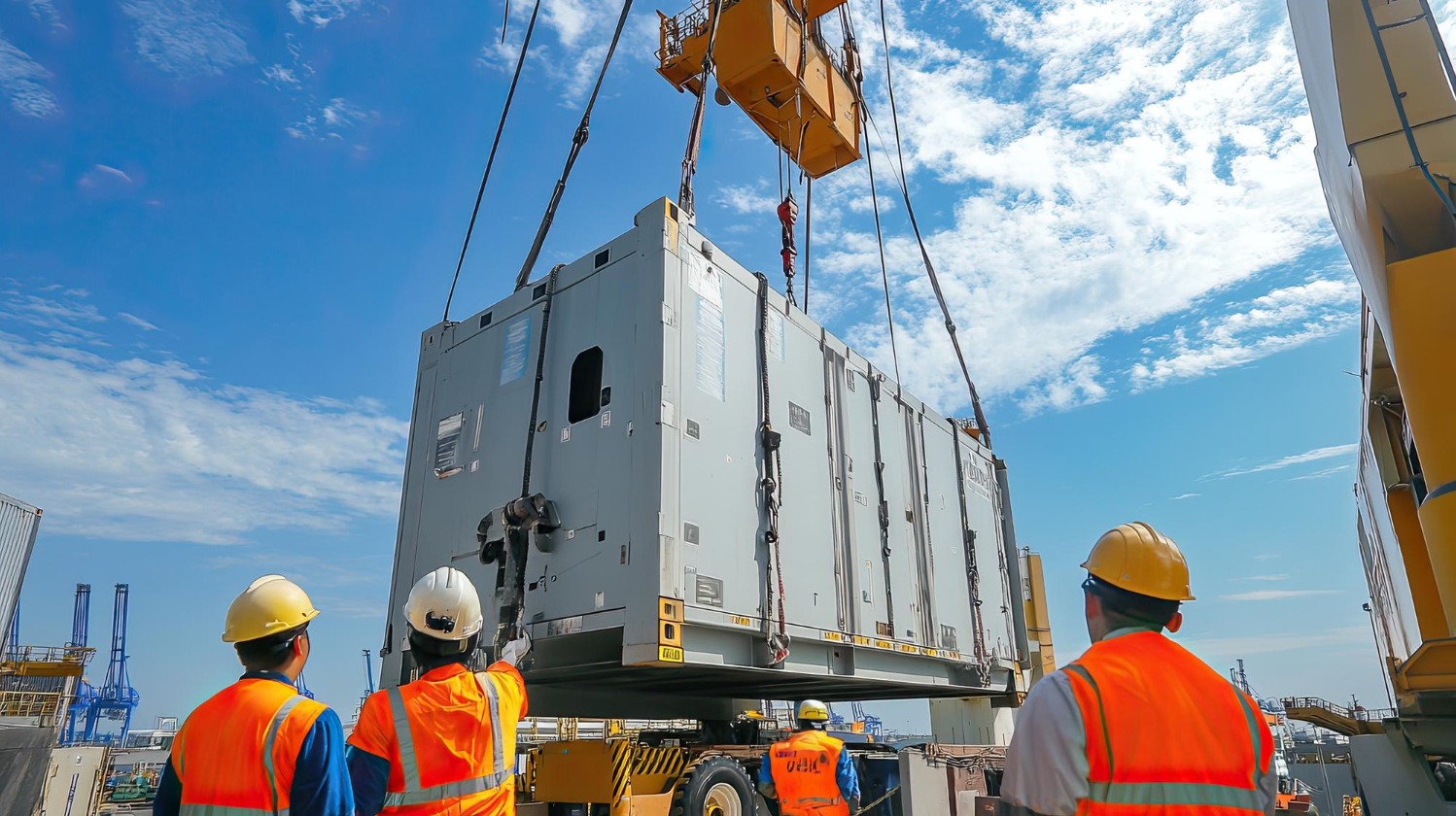
Transporting heavy machinery, industrial equipment, transformers, turbines, or complete plant components requires far more planning than moving standard cargo. These shipments often exceed conventional size or weight limits, demanding specialized transportation methods, route surveys, lifting equipment, and regulatory approvals. This is where Project Cargo Logistics plays a vital role.
For manufacturers, EPC contractors, engineering companies, and industrial businesses in Vadodara, efficient project cargo planning helps ensure valuable equipment reaches its destination safely, on schedule, and within budget.
What Is Project Cargo Logistics?
Project cargo logistics refers to the planning and transportation of oversized, heavy, high-value, or complex cargo that cannot be handled using standard shipping methods.
Examples include:
- Industrial machinery
- Manufacturing equipment
- Wind turbine components
- Boilers and pressure vessels
- Power plant equipment
- Construction machinery
- Oil and gas equipment
- Large structural steel components
Each shipment requires a customized logistics strategy rather than a one-size-fits-all approach.
Why Project Cargo Requires Specialized Planning
Unlike regular containerized freight, oversized cargo presents several logistical challenges.
These may include:
- Weight restrictions on roads
- Bridge clearance limitations
- Port handling capabilities
- Crane availability
- Customs regulations
- Special transport permits
- Delivery timelines linked to project milestones
Without detailed planning, unexpected delays can significantly impact large-scale industrial projects.
The Planning Process
Successful project cargo transportation begins long before the shipment moves.
A comprehensive logistics plan usually includes:
Cargo Assessment
Every shipment is evaluated based on:
- Dimensions
- Weight
- Shape
- Lifting requirements
- Fragility
- Destination accessibility
This assessment determines the safest transportation method.
Route Survey
Road conditions, bridge capacities, turning radii, overhead obstacles, and traffic restrictions are examined before transportation begins.
A route survey helps identify potential risks and alternative paths.
Equipment Selection
Depending on the cargo, logistics providers may arrange:
- Hydraulic trailers
- Multi-axle transporters
- Heavy-duty cranes
- Specialized lifting frames
- Flat rack containers
- Breakbulk vessels
Using the correct equipment reduces handling risks.
Choosing the Right Transportation Mode
Project cargo often requires multiple transportation methods.
These may include:
Sea Freight
Suitable for transporting large industrial equipment between international ports.
Road Transport
Used for factory pickups, inland transportation, and final delivery.
Rail Transport
An efficient option for moving extremely heavy cargo over long domestic distances.
Multimodal Transport
Many project shipments combine road, sea, and rail transportation for greater flexibility.
Selecting the right combination helps balance transit time, cost, and operational efficiency.
Risk Management Is Essential
Large industrial shipments involve substantial financial investment.
Risk management measures often include:
- Cargo securing plans
- Weather monitoring
- Insurance coverage
- Real-time shipment tracking
- Contingency routing
- Emergency response planning
These precautions help protect valuable equipment throughout the journey.
Industries That Depend on Project Cargo Logistics
Businesses across Gujarat increasingly rely on project cargo services.
Industries include:
- Engineering
- Power generation
- Renewable energy
- Infrastructure development
- Oil and gas
- Chemicals
- Heavy manufacturing
- Steel fabrication
As industrial projects become more sophisticated, logistics planning becomes equally important.
Documentation Matters
Project cargo shipments often require additional documentation compared to standard freight.
This may include:
- Technical specifications
- Weight certificates
- Transport permits
- Customs documentation
- Loading plans
- Marine insurance documents
Accurate paperwork supports smoother regulatory approvals and transportation coordination.
Why Early Logistics Planning Saves Time
One of the biggest mistakes businesses make is involving logistics providers too late in the project.
Early planning offers several advantages:
- Better transportation scheduling
- Improved vessel availability
- Reduced permit delays
- Optimized loading sequences
- Lower overall logistics costs
- Better coordination with project timelines
Integrating logistics into the project planning phase helps avoid costly last-minute changes.
Supporting Industrial Growth in Vadodara
Vadodara continues to be one of Gujarat's leading industrial centers, with businesses engaged in engineering, chemicals, power equipment, and manufacturing. Many of these sectors regularly handle oversized imports and exports that require specialized logistics expertise.
Companies such as Seven Seas Services support businesses by coordinating complex project cargo movements, ensuring every stage from planning and documentation to transportation and delivery is professionally managed. Businesses seeking dependable logistics solutions can also explore sevencesservice.com to understand how project cargo services contribute to successful industrial operations.