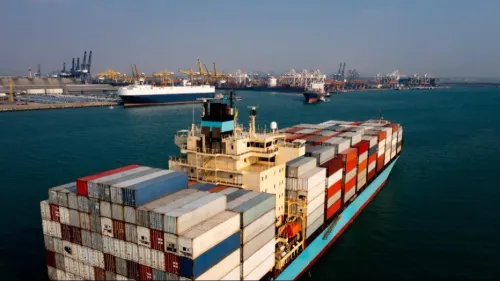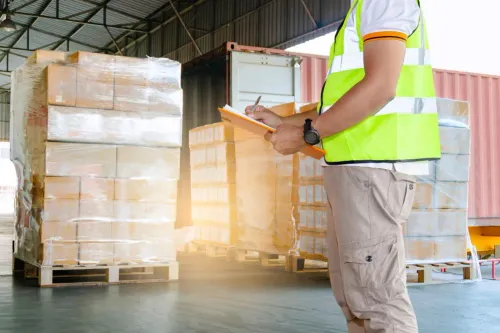


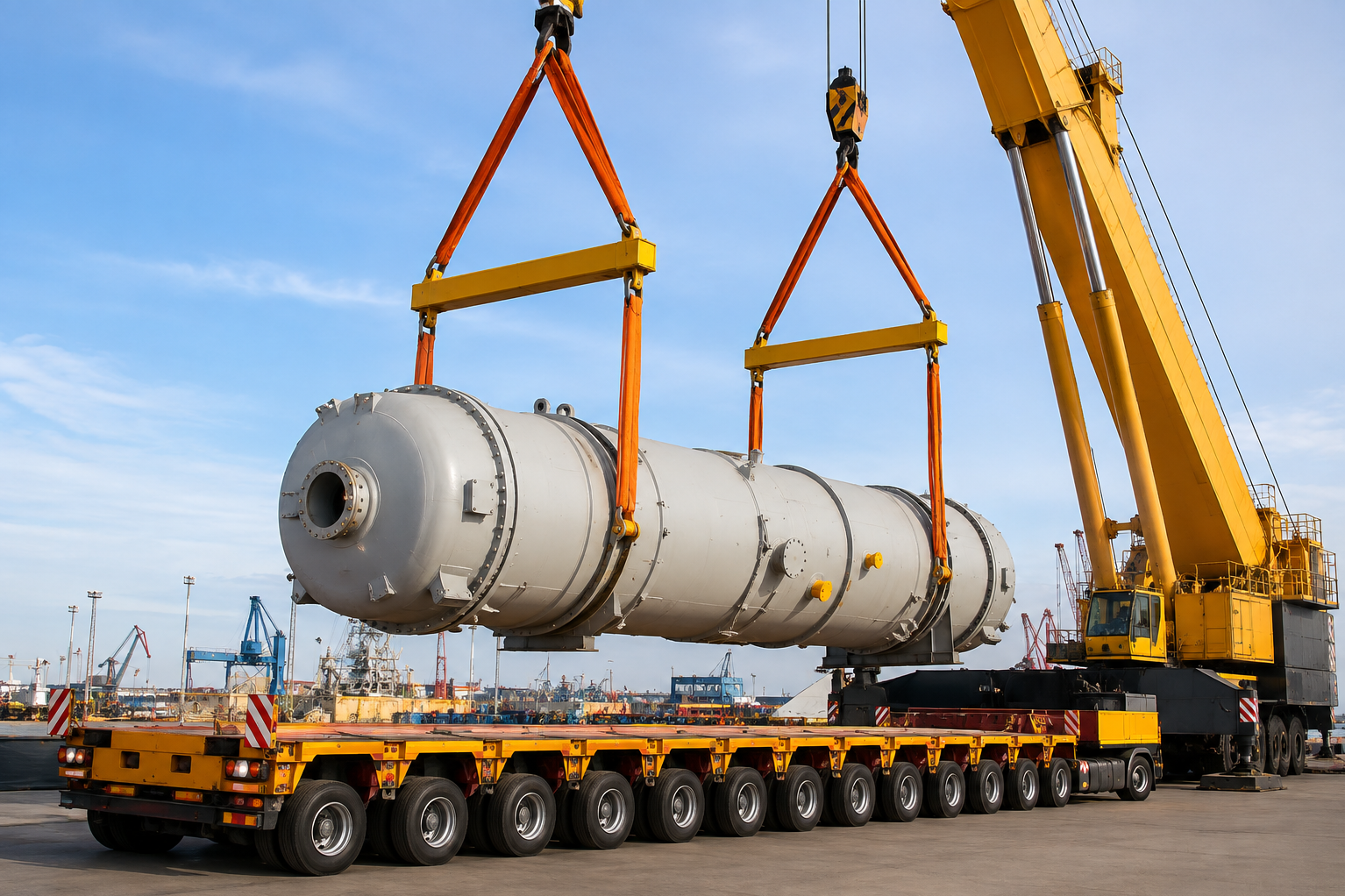
Transporting oversized industrial equipment is a complex task that requires much more than arranging a truck or booking cargo space. Heavy machinery, transformers, boilers, generators, reactors, and other oversized loads demand specialized planning, lifting equipment, route assessments, and experienced logistics professionals. This is why businesses handling large industrial shipments often rely on Heavy Lift Cargo Transportation services.
For manufacturers, EPC contractors, infrastructure developers, and industrial businesses in Vadodara, recognizing when professional support is required can prevent costly delays, cargo damage, and project disruptions.
What Is Heavy Lift Cargo Transportation?
Heavy lift cargo transportation involves moving cargo that exceeds the standard size or weight limits of conventional freight services.
Examples include:
- Industrial machinery
- Power plant equipment
- Heavy engineering components
- Manufacturing production lines
- Wind turbine sections
- Boilers and pressure vessels
- Steel fabrication structures
- Mining and construction equipment
Each shipment requires a customized transportation strategy based on cargo specifications and destination requirements.
When Standard Logistics Is No Longer Enough
Many businesses initially attempt to manage oversized shipments using conventional logistics arrangements. However, certain situations clearly indicate the need for specialized heavy lift expertise.
Some common indicators include:
- Cargo exceeds standard container dimensions.
- Equipment requires specialized lifting cranes.
- Road permits are mandatory.
- The shipment includes high-value industrial assets.
- Delivery is tied to strict project deadlines.
- Multiple transportation modes are required.
Recognizing these situations early allows businesses to avoid unnecessary operational risks.
Why Experience Matters
Heavy lift transportation involves significant planning before cargo even leaves the facility.
Experienced logistics providers manage:
- Cargo engineering assessments
- Route planning
- Permit coordination
- Port handling arrangements
- Lifting and rigging operations
- Risk assessment
- Customs coordination
- Final delivery planning
This level of expertise reduces uncertainty throughout the transportation process.
Questions to Ask Before Selecting a Provider
Choosing the right logistics partner requires careful evaluation.
Consider asking:
- Have similar industrial projects been completed successfully?
- What lifting equipment is available?
- How are transportation permits managed?
- Is route surveying included?
- What safety procedures are followed?
- How is cargo monitored during transit?
Clear answers provide valuable insight into the provider's operational capabilities.
Safety Should Never Be Compromised
Heavy lift operations involve expensive equipment and complex handling procedures.
Professional transportation providers prioritize:
- Proper lifting techniques
- Certified handling equipment
- Cargo securing methods
- Weight distribution analysis
- Qualified project supervision
- Emergency response planning
Maintaining high safety standards protects both cargo and project schedules.
Planning Makes the Difference
Heavy lift logistics should begin well before the shipment date.
Early planning supports:
- Equipment availability
- Permit approvals
- Route optimization
- Vessel scheduling
- Crane coordination
- Customs preparation
Waiting until the last minute often results in increased transportation costs and scheduling conflicts.
Industries That Frequently Require Heavy Lift Services
Heavy lift transportation supports many industrial sectors, including:
- Engineering
- Power generation
- Oil and gas
- Renewable energy
- Infrastructure development
- Chemical manufacturing
- Steel production
- Industrial construction
These industries rely on specialized logistics to keep major projects moving forward.
Why Local Industrial Expertise Adds Value
Vadodara is one of Gujarat's leading industrial cities, with businesses regularly importing and exporting large machinery and project equipment. Local logistics knowledge combined with international transportation expertise helps businesses coordinate shipments more efficiently while complying with regulatory requirements.
Choosing a provider familiar with industrial cargo requirements also improves communication and project coordination.
Selecting a Logistics Partner with Confidence
Heavy lift transportation requires precision, planning, and specialized knowledge. Businesses should evaluate technical capabilities, safety standards, industry experience, and operational support before making a decision.
For companies handling oversized industrial cargo, Seven Seas Services offers logistics expertise that supports complex transportation requirements from planning through final delivery. Businesses interested in dependable heavy lift solutions can explore sevencesservice.com to understand how specialized logistics services contribute to safe and efficient international cargo movement.